


If you’re using CPAP therapy, you already know how important it is for treating obstructive sleep apnoea (OSA). But for many users, one early challenge can make therapy feel less comfortable than expected: dry nose, dry mouth, sore throat, or a “cold air” sensation during the night.
Research shows that up to 56% of CPAP users experience discomfort related to dryness or inhaling cold air.1 And because your nose normally warms and humidifies the air you breathe, the continuous airflow from a CPAP machine — especially at higher pressures — can overwhelm your natural system. This can lead to dryness, congestion, or nighttime awakenings that interrupt your sleep.2
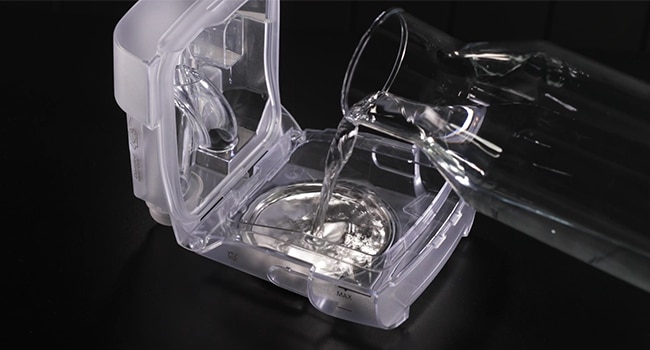
A CPAP humidifier is one of the simplest and most effective ways to reduce these symptoms and improve comfort. By warming and adding gentle moisture to the airflow, humidification can make breathing feel easier and help you stay comfortable through the night.
If you’re looking for a way to ease dryness or make your nightly therapy more comfortable, humidification may be the upgrade you need. This article explains why it helps, who it’s suitable for, how it works, and the accessories, such as heated humidifiers and heated tubing, that can make your therapy feel noticeably better.