Reset Your Sleep Schedule: CPAP Therapy After Summer | Resmed UK
What can we help you find?
Search for masks, machines, accessories...

Your September sleep reset: getting back into healthy sleep habits after summer

In this article

    Summer has a way of changing routines without us noticing.

    Longer evenings, holidays, travel and social plans often mean later nights and less predictable mornings. At the time, that change often feels welcome. But when September arrives, some of those habits can linger. Sleep doesn’t feel as settled as it did before, and you might miss the rhythm you had built. If you use continuous positive airway pressure (CPAP) therapy, your routine around it may no longer feel as automatic.

    A few small changes can help sleep and therapy feel more consistent again.

    Find your way back to a steadier bedtime

    A good step to begin is with consistency.

    Regular sleep and wake times can help your body recognise when it is time to rest and when it is time to be alert.¹ If your bedtime gradually drifted later over summer, easing it back in small steps can feel more manageable than changing it all at once.

    Keeping wake-up times relatively steady helps reinforce that rhythm.

    The goal isn’t to get everything exactly right, but to create a pattern your body can begin to follow again.

    Rebuild your evening routine

    As your schedule becomes more regular, evenings can begin to feel calmer too.

    A simple wind-down routine can help mark that shift. Reading, dimming the lights, stretching or stepping away from screens a little earlier can make bedtime feel more intentional.

    Light from digital devices can influence the body’s natural sleep-wake cycle, so even a small change — such as putting screens aside 30 minutes before bedtime — can make it easier to settle into sleep.²

    Over a few nights, these small cues can help reconnect the natural flow from day into night.

    Consider your evening habits

    The habits that build up through the evening can also shape how easily you fall asleep.

    Caffeine can stay in the body for several hours and may make it harder to switch off. Alcohol may bring on drowsiness at first, but it can affect sleep later in the night and reduce overall sleep quality.³

    If summer evenings have included later coffees or drinks, try cutting back slightly and noticing what helps you feel more rested the next morning.

    Create a bedroom that supports rest

    Your bedroom environment plays an important role in supporting sleep.

    A room that feels calm, comfortable and uncluttered can make it easier to settle at night. Small changes such as reducing light, keeping the space cool, refreshing bedding or limiting noise can contribute to a more restful atmosphere.

    Over time, these details help reinforce the idea that bedtime is a space for rest, not activity.

    Bring your CPAP routine back into the evening

    Healthy sleep habits and CPAP therapy support each other best when they sit within the same routine.

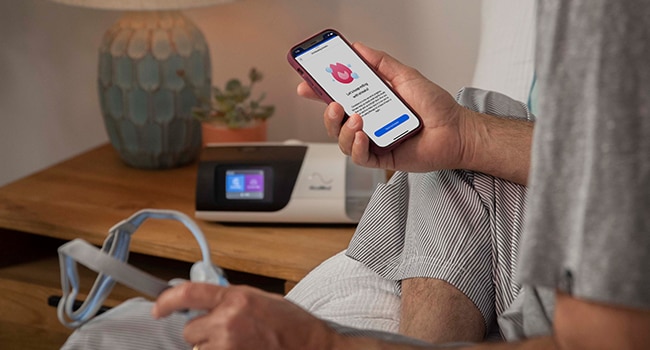
    If your CPAP use became less consistent over summer, reconnecting it with your evening habits can help it feel more natural again. Setting up your equipment before you feel too tired, or keeping your mask within easy reach, can make it easier to include therapy as part of your wind-down.

    Refresh your equipment as part of the reset

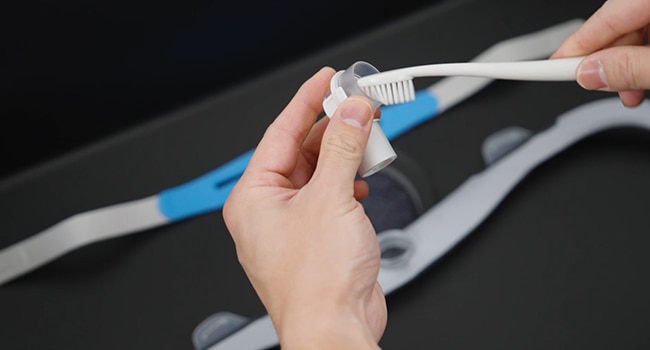
    A seasonal reset can also be a useful moment to revisit how your equipment is maintained. Over time, facial oils, moisture and everyday use can build up on masks and accessories, which may affect comfort and mask seal quality. Regular cleaning helps keep your equipment comfortable to use and supports ongoing therapy performance.

    Tips for cleaning:

    • Use warm drinking-quality water and a mild, non-fragranced soap or liquid detergent to help remove oils and residue without affecting mask materials.
    • Allow all components to dry completely away from direct sunlight before use.
    • Regularly inspect your equipment and replace worn parts according to the recommended schedule.
    • Check your device air filter regularly and replace it if it shows signs of damage or build up
    • If you’re using a Resmed mask, you can also find cleaning guidance in the Resmed myAirTM Navigate to Coaching > Library > Equipment > Mask to access mask-specific care information and cleaning tips.

    A simple routine can support this:

    Every day

    • Clean your mask cushion
    • Empty and inspect your humidifier tub for any damage

    Every week

    • Clean your headgear
    • Clean your mask frame
    • Clean your tubing
    • Clean your humidifier tub
    • Check the device air filter for any damage

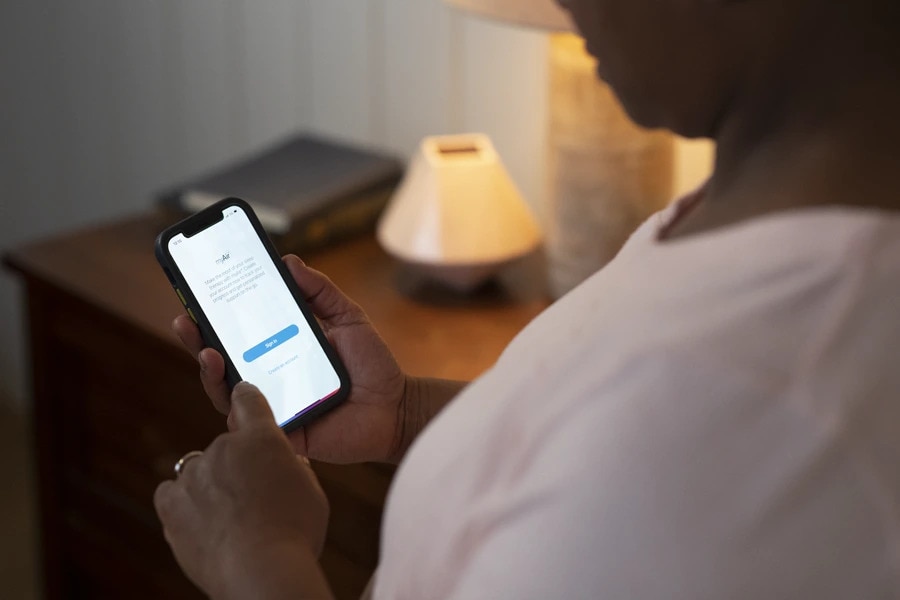
    Use the Resmed myAir app to support your progress

    When routines shift, it can help to see progress as it builds again.

    The myAir app is designed to support you and your therapy and understand how patterns change over time. For many people, seeing those small improvements helps reinforce consistency and makes it easier to stay engaged4.

    Some people also find that features such as goal tracking and usage streaks provide a helpful sense of progress when rebuilding healthy therapy habits.

    Could it also be time to review your mask?

    Sometimes, when you follow routine, comfort issues become easier to notice.

    If you’ve experienced:

    • Leaks
    • Skin irritation
    • Pressure marks
    • Noise
    • Difficulty settling into therapy

    it may be worth considering whether your current mask still suits you. If you’re unsure which new mask option is right for you, don’t hesitate to reach out to your care team for guidance.

    Comfort preferences can change over time. Different mask styles and cushion materials can create a different experience, and some people find that exploring these options makes therapy feel more comfortable again.

    Watch Leo’s story

    See how one long-term CPAP user explored a different mask setup and how switching to AirTouchTM N30i helped improve comfort and reshape his CPAP therapy experience over time.

    Let the reset feel realistic

    The most effective changes are often the ones that feel manageable.

    • A steadier bedtime.
    • A calmer evening routine.
    • A cleaner CPAP setup.
    • A few more consistent nights of therapy.

    Individually, these shifts may seem small. Together, they can help rebuild a rhythm that supports better sleep.

    September can be a chance to return to habits that help you feel more rested, comfortable and supported, night after night.

    References
    1. NHS. How to fall asleep faster and sleep better. Every Mind Matters. Accessed August 6, 2026. https://www.nhs.uk/every-mind-matters/mental-wellbeing-tips/how-to-fall-asleep-faster-and-sleep-better/
    2. Chang AM, et al. Proc Natl Acad Sci U S A. 2015;112(4):1232–1237.
    3. National Sleep Foundation. Sleep Tips. Available at: https://www.thensf.org/sleep-tips/. Accessed August 6, 2026
    4. Malhotra A, et al. Patient Engagement Using New Technology to Improve Adherence to Positive Airway Pressure Therapy CHEST, 2017; 153, 843-850
    Disclaimer

    PROMOTIONAL MATERIAL – CE-marked medical device (CE0123). Manufacturer: Resmed. Local contact: Resmed. Please refer to the instructions for use for relevant information related to any contraindications, warnings and precautions.

    This blog post contains general information about medical conditions and treatments. It is not intended to be a substitute for professional medical advice, diagnosis or treatment. The information is not advice, and should not be treated as such. You must not rely on the information on this website as an alternative to medical advice from your doctor or other professional healthcare provider.

     If you have any specific questions about any medical matter, you should consult your doctor or other professional healthcare provider. If you think you may be suffering from any medical condition, you should seek immediate medical attention. You should never delay seeking medical advice, disregard medical advice, or discontinue medical treatment because of information on this website. The views expressed on this blog and website have no relation to those of any academic, hospital, practice, or other institution with which the authors are affiliated and do not directly reflect the views of Resmed or any of its subsidiaries or affiliates.


    Get the latest from Resmed

    Please answer the question above

    Please answer the question above

    By signing up, you agree to our Terms, Privacy Policy, and to receive marketing updates from Resmed.