What to consider before using an oral appliance
When considering a MAD for obstructive sleep apnoea, it’s important to research treatment effectiveness, cost and other factors.
Effectiveness and treatment outcomes
Many people considering sleep apnoea oral appliances want to know if they can replace continuous positive airway pressure (CPAP) therapy. Deciding on a treatment can vary based on many factors and should be made with a doctor.
CPAP is widely recognised as the first-line therapy, particularly for patients with complex comorbidities.8 MADs, on the other hand, are often associated with higher adherence rates and represent an effective and well-tolerated alternative for many patients, especially those who are unwilling or unable to continue CPAP therapy.9
Although MAD therapy is not as effective as CPAP in controlling the occurrence of obstructive events, this is counterbalanced by better adherence to treatment. The improvement in symptoms and quality of life after up to 12 months are similar with MAD therapy and CPAP.10
Diagnosis and getting started
OSA is diagnosed with a sleep test, either at home or overnight in a lab. After taking a sleep test, you and your doctor can review the results and, if diagnosed with OSA, determine the best treatment option.
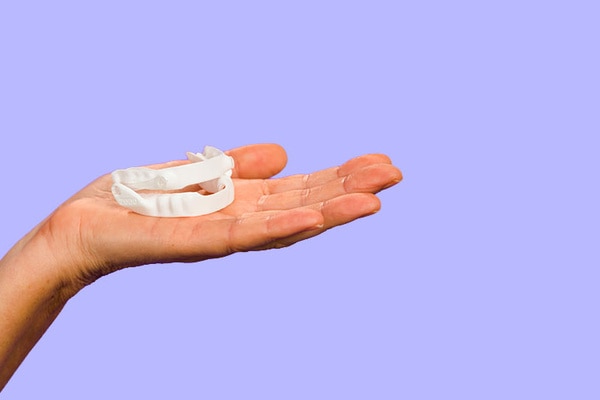
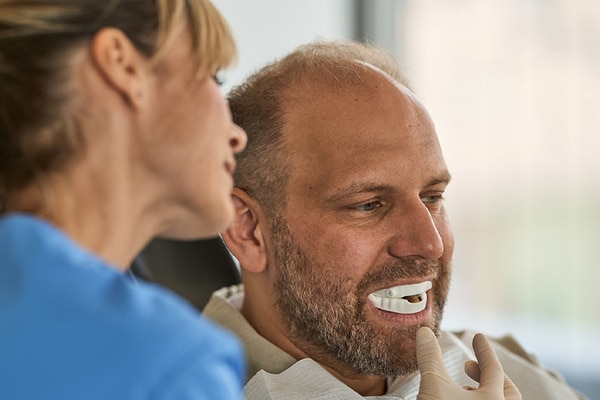
If you and your doctor determine that an oral appliance is appropriate, a dentist will get dental impressions. This can be done with a physical mould or digital scans. The goal is to determine how far forward your jaw needs to move to support comfort and effective OSA treatment.
Next, a custom MAD is made. During fittings, the device is adjusted to fine-tune your jaw position. Once you start sleeping with your oral appliance, you’ll want to follow up with your dentist. During these check-ins, your dentist can make sure your device is properly fitted and effectively treating your OSA.
Side effects and comfort considerations
The most common side effect when using an oral appliance for sleep apnoea can be mild discomfort. That may include jaw soreness, tenderness in the mouth, dry mouth or excessive salivation. Often, these minor irritations only occur in the first few weeks as people get used to the oral appliance.11
Long-term issues are rare but can include tooth movement, ongoing discomfort in the jaw and changes in your bite.10 Regular follow-ups with your dentist can help catch these problems early. Adjustments to the device can support a comfortable fit and encourage consistent use.
People who use sleep apnoea oral appliances tend to have better experiences when the devices fit properly and are comfortable. Regular follow-ups with your dentist can help fine-tune the device’s fit and address any discomfort or changes.