


Sleep Apnoea Patient Stories: Real CPAP Experiences | Resmed UK
What can we help you find?
Search for masks, machines, accessories...

Finding your way back to rest: Sleep Apnoea Patient Stories

CPAP & Therapy Patient stories Relationships

Sleep is one of the few things we all share. No matter where we live, what we do, or how different our lives may look on the surface, we all depend on it in the same way. And when sleep is disrupted, night after night, it doesn’t just stay in the bedroom. It follows us into our work, our relationships, our energy, and our sense of self.

For people living with sleep apnoea, this is a daily reality. But while the condition is common, each person’s experience of it is deeply personal. Some struggle silently for years, others adapt their lives around exhaustion, and many face a journey of trial and adjustment before finding what works.

What connects them, however, is something powerful: the outcome. With the right treatment, better sleep and a better life is possible.

This is a shared story told through three different journeys: Brook, Matt, and Leilani. Their experiences reflect different stages and challenges of living with sleep apnoea, but together, they show what’s possible when persistence meets the right solution.
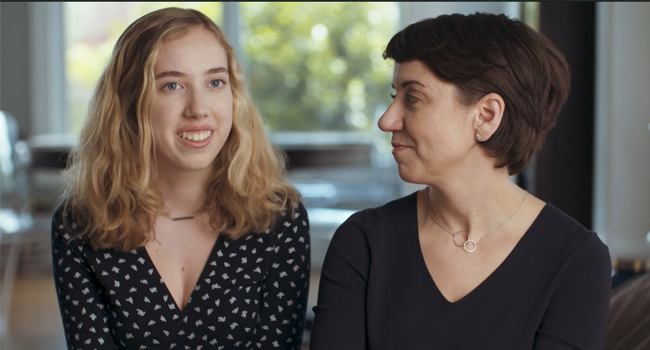
 Mother and daughter discussing positive sleep apnoea therapy experience at home

When exhaustion becomes “normal”: Brook’s story

For many people, sleep apnoea doesn’t arrive suddenly — it builds quietly over time. The symptoms can become so familiar that they start to feel like just part of life.

That was Brook’s experience.

For years, her days were shaped by fatigue. Workdays were something to push through rather than enjoy, and afternoons became a battle against overwhelming tiredness.

I had been for years so tired at work, fighting to get through the afternoon. And then I can’t wait ’till the weekends, because on Saturdays and Sundays, I would take a nap.

These weren’t occasional naps; they were essential. Her routine, and even her family life, adapted around them. Rest wasn’t restorative; it was survival. Weekends weren’t about leisure or connection; they were about catching up on what her body had been missing all week.

What’s striking about Brook’s story is how recognisable it is. Many people with untreated sleep apnoea don’t immediately realise something is wrong. They may assume they’re just “bad sleepers,” busy, or simply getting older. Fatigue becomes normalised. But it doesn’t have to be. With treatment, Brook experienced something she hadn’t felt in years: time and energy returning to her life.


It’s unbelievable to have those hours back.

This isn’t just about sleep. It’s about reclaiming parts of life that had quietly slipped away. More time during the day. More presence with loved ones. More ability to engage, rather than endure.

Perhaps the most meaningful change came not from Brook herself, but from someone who knows her best — her daughter:

But it’s a much better mom for sure.

Sleep apnoea doesn’t just affect the person experiencing it. It impacts families, relationships, and daily interactions. And when treatment works, those benefits ripple outward.

Brook’s journey reminds us of something important: if your life has gradually adapted around tiredness, it might be worth asking why.

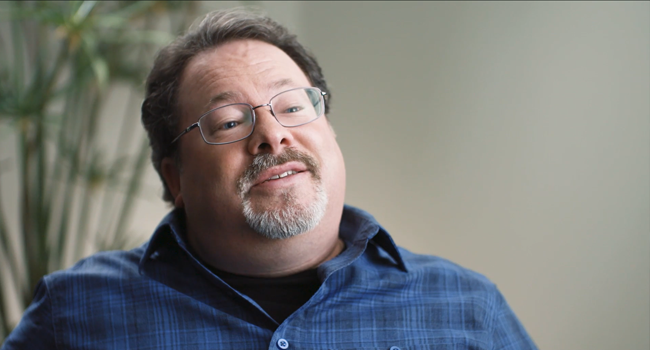
 Man with sleep apnea describing successful CPAP therapy and better sleep quality

A simple trade-off: Matt’s perspective on CPAP therapy

If Brook’s story is about recognising the impact of sleep apnoea, Matt’s is about what happens after treatment begins, and how perspective can change everything.

Starting CPAP (Continuous Positive Airway Pressure) therapy is a significant step. For many, it comes with hesitation. Sleeping with a device can feel unfamiliar, even inconvenient at first. It’s not what anyone would describe as ideal.

Matt understands that, but he also sees the bigger picture.

I remember what I felt like before CPAP therapy, and I felt horrible. And I know what I feel like now with CPAP therapy. And I feel, you know, refreshed when I wake up in the morning, and I get a good night of sleep

The contrast is clear. Before treatment: exhaustion, discomfort, poor-quality rest. After treatment: refreshment, energy, and restorative sleep. And that contrast leads to a perspective many people can relate to:

I’d much rather put up with this little machine next to my bed than having sleep apnoea attacks. For me, it’s a simple choice.

This is an honest and grounded way of looking at treatment. Matt’s story acknowledges something important: treatment doesn’t have to be flawless to be worthwhile. It just has to work.

For people considering CPAP, this can be reassuring. It’s normal to have concerns about comfort or adjustment. But when weighed against the impact of untreated sleep apnoea — poor sleep, daytime fatigue, and potential health risks — the benefits often speak for themselves.

Over time, what once felt like an inconvenience can become part of a new, healthier routine. And for many, the results make that adjustment more than worth it.

 Woman sharing her sleep apnoea treatment journey using CPAP therapy

When the first solution isn’t the final one: Leilani’s journey

Not every sleep apnoea journey is straightforward. For some, finding the right treatment takes time, patience, and persistence.

Leilani’s story reflects this reality.

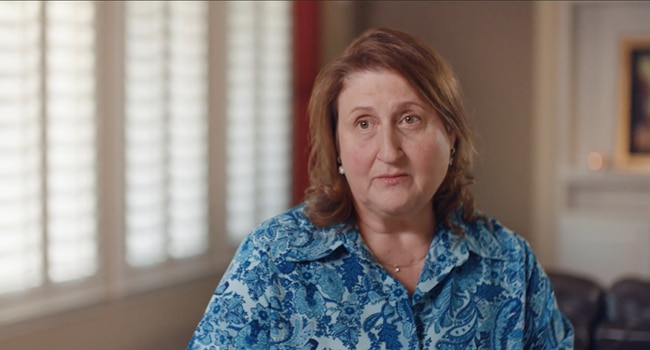
I tried for a full year to deal with it… ‘How am I going to feel better?

A year is a long time to struggle, especially when you’re actively trying to improve your situation. It can be frustrating, discouraging, and isolating. And it highlights an important truth: not every solution works for every person right away.

But that doesn’t mean there isn’t a solution.

For Leilani, things changed when she found the right therapy for her needs: a bilevel device. Unlike standard CPAP therapy, which delivers a continuous level of air pressure, bilevel devices provide two different pressure levels: a higher pressure when you inhale and a lower one when you exhale. For some people, this can feel more natural and comfortable, particularly if they’ve struggled to adapt to CPAP.

The difference was noticeable, even in small but meaningful ways:

When I take the mask off in the morning I can smell everything very clearly… that means my brain is more alert and more receptive to the things that I need to be in tune to.

This description captures something beyond just “better sleep.” It’s about clarity, awareness, and being fully present in the world again. It’s about the brain functioning the way it’s meant to after truly restorative rest.

Leilani’s experience is particularly important for those who may feel discouraged if their first attempt at treatment hasn’t gone as planned. Sleep apnoea therapy isn’t one-size-fits-all. Finding the right approach can sometimes involve adjustments along the way, such as:

  • Trying different mask types for a better fit and comfort
  • Fine-tuning device settings with the support of a healthcare provider
  • Adding features like humidification to improve comfort
  • Or transitioning to a different type of therapy, such as bilevel or even a mandibular advanced device.

The key message from Leilani’s journey is this: perseverance matters. The right solution may require adjustment, but when you find it, the impact can be profound.


Different paths, shared outcome

Brook, Matt, and Leilani each took different paths:

  • Brook lived for years with fatigue before discovering what was behind it
  • Matt embraced CPAP therapy and saw a clear transformation
  • Leilani navigated a longer journey to find the right treatment

Their experiences are not identical; and that’s exactly the point.

Sleep apnoea doesn’t look the same for everyone. Some people may notice symptoms quickly, while others adapt to them over time. Some may respond immediately to treatment, while others need to explore different options.

But despite these differences, their stories converge in one important way: treatment changed their lives.

  • More energy during the day
  • Better quality sleep at night
  • Improved mood and mental clarity
  • Stronger connections with family and daily life

This sense of shared outcome creates something powerful — a community of people who understand the journey, even if their individual experiences differ.

The reality of the journey

It’s important to acknowledge that starting treatment for sleep apnoea can come with challenges.

  • You may need time to adjust to a device.
  • You might need to try different masks to find the right fit.
  • You could experience moments of frustration or doubt.

All of this is normal.

What these stories show is that the journey doesn’t have to be perfect to be successful. Progress can happen gradually. Small improvements can build into meaningful change.

And importantly, support is available, whether through healthcare providers, educational resources, or stories like these that remind you you’re not alone.

Why these stories matter

Hearing real experiences can make a difference, especially for those who are:

  • Wondering if their symptoms could be sleep apnoea
  • Considering starting treatment but feeling unsure
  • Struggling with current therapy and questioning what to do next

If you recognise parts of yourself in these stories — persistent tiredness, disrupted sleep, or difficulty staying alert during the day — it may be worth exploring further.

Sleep apnoea is a medical condition, but it’s also a highly treatable one. The first step is often simply starting the conversation. Speak with a healthcare professional if you suspect you may have symptoms. Getting tested can provide clarity and open the door to solutions that could significantly improve your quality of life.

Watch their full stories

Brook, Matt, and Leilani’s journeys are just a glimpse into the many ways people experience and manage sleep apnoea.

in their own words, and explore others like them, you can watch the full testimonials here:


Final thought

Sleep connects us all. And when it’s disrupted, the effects are deeply personal — but widely shared.

What these stories remind us is simple but powerful: even if the journey isn’t the same, the destination can be.

Better sleep. Better days. A better quality of life.

Disclaimer:

These testimonials/patient stories are genuine and documented accounts of the individual’s response to treatment. Outcomes and results may vary, and each individual’s response does not provide any indication, warranty or guarantee that other people will have the same or a similar experience.

 This blog post contains general information about medical conditions and treatments. It is not intended to be a substitute for professional medical advice, diagnosis or treatment. The information is not advice, and should not be treated as such. You must not rely on the information on this website as an alternative to medical advice from your doctor or other professional healthcare provider.

 If you have any specific questions about any medical matter, you should consult your doctor or other professional healthcare provider. If you think you may be suffering from any medical condition, you should seek immediate medical attention. You should never delay seeking medical advice, disregard medical advice, or discontinue medical treatment because of information on this website. The views expressed on this blog and website have no relation to those of any academic, hospital, practice, or other institution with which the authors are affiliated and do not directly reflect the views of Resmed or any of its subsidiaries or affiliates.


Join the Resmed Community

Stay connected and you’ll be among the first to hear all the latest news and developments.

You are:

Please answer the question above

Please answer the question above

By signing up, you agree to our Terms, Privacy Policy, and to receive marketing updates from Resmed.