CPAP Tips for Allergy Season | Resmed UK
What can we help you find?
Search for masks, machines, accessories...

CPAP Tips for Allergy Season

CPAP & Therapy Allergy Seasonal

As allergy season arrives, getting a good night’s sleep may feel like an uphill battle. When you have a stuffy nose and itchy eyes, you may not want to wear a CPAP mask.

We get it, and we’re here to help.

Rest easy with our top tips to help you feel comfortable using CPAP therapy while fighting seasonal allergies — also called hay fever or allergic rhinitis.

First, let’s discuss how allergies can impact your sleep apnea treatment.

How allergies can affect CPAP therapy and sleep apnoea

About 40% of Europeans suffer from pollen allergy.1 Seasonal allergens such as pollen and grass spores often trigger allergic symptoms like:1

  • An itchy, runny or blocked nose (nasal congestion)
  • Itchy, watery eyes
  • Frequent sneezing
  • Mouth breathing
  • Snoring during sleep

Hay fever can also lead to disrupted sleep, headaches and difficulties concentrating if left untreated2. In some ways, it can feel similar to the symptoms of obstructive sleep apnea (OSA).

During high pollen seasons, having OSA can make you more vulnerable because it’s like you’re fighting a war on two fronts: when you start with OSA, you already have a blocked airway that your CPAP machine tries to keep open, and then you add allergic symptoms like nasal congestion on top of that. So it’s understandable if you feel discomfort and frustration.

5 essential CPAP tips for managing seasonal allergies

Try these practical tips to make allergy season more manageable when using your CPAP device.

1. Keep your CPAP equipment clean during allergy season

Keeping your CPAP equipment clean is always important, but during allergy season it’s worth being extra careful and consistent. Dust, pollen, and other particles can build up on your mask and tubing. This can make allergy symptoms worse and potentially affect your CPAP therapy.

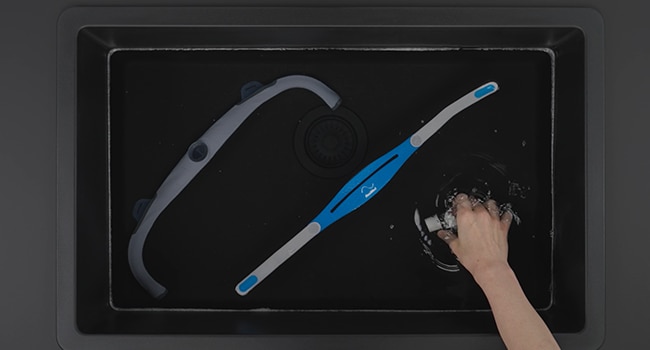
To maintain your equipment, wash the mask cushion daily with mild soap and water, letting it air dry. For your tubing and humidifier chamber, you can wash them weekly rather than daily. Refer to your mask and machine user guides for more in-depth instructions on how to clean your CPAP equipment and maintenance.

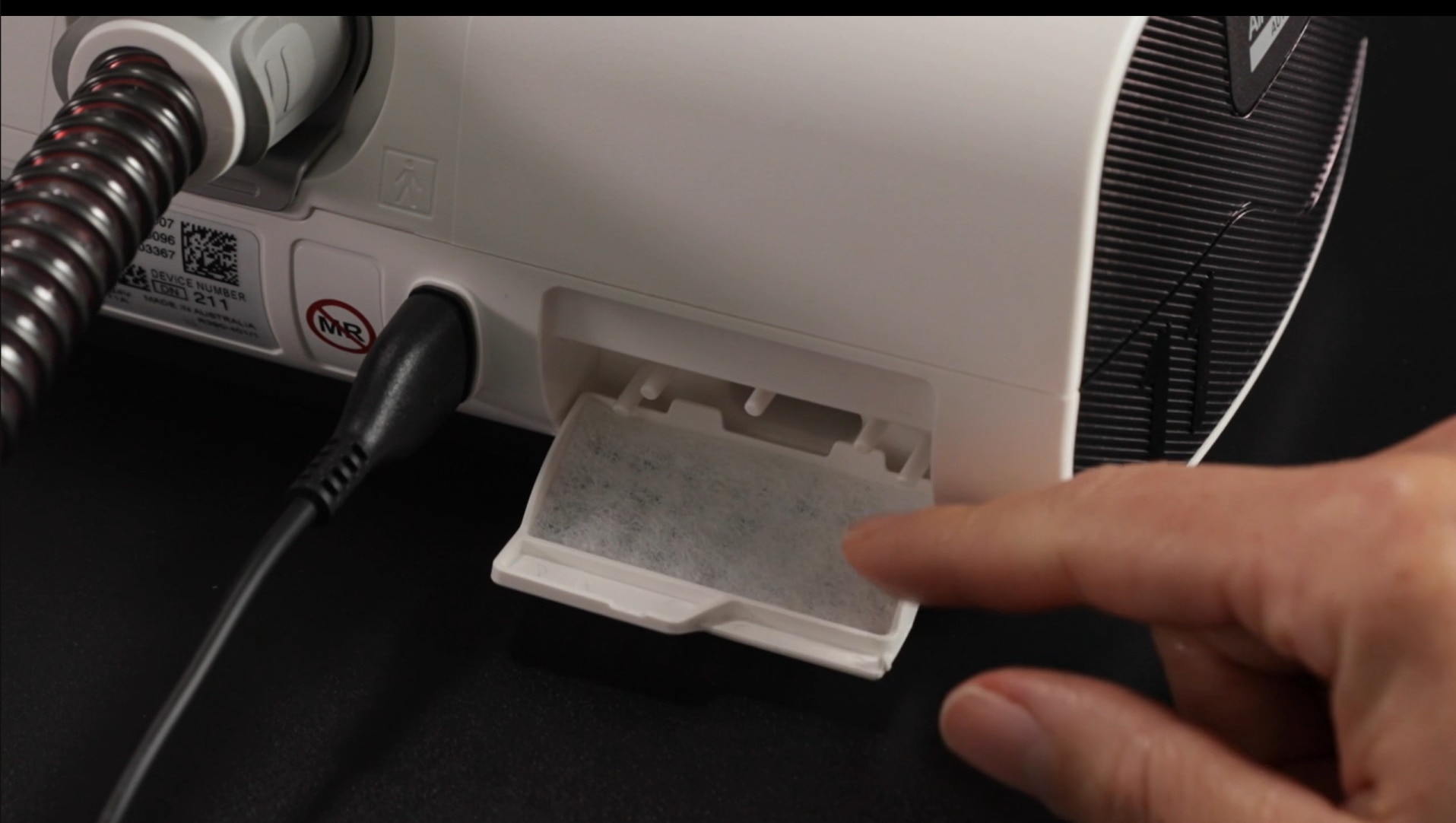
PRODUCT TIP: If you experience allergies, including hay fever, we recommend hypoallergenic filters for your CPAP machine. The filters can catch airborne particles like dust, pollen, and pet hair to deliver clean air while you sleep. You should swap these out every 6 months.

2. Use a CPAP humidifier for allergy relief

Humidifiers are commonly considered a must-have for cold, dry winters. But they can be just as useful during allergy season.
Adding a humidifier to your CPAP setup can help with allergy symptoms3 It keeps your nasal passages moist and reduces irritation. If you notice your nose feels extra dry, a humidifier can be a game changer.

Discover how a humidifier can make your CPAP therapy more comfortable

3. Choose the right CPAP mask for nasal congestion

The type of CPAP mask you use plays a big role in your comfort during allergy season. For example, if you experience nasal congestion, a full-face mask may help ensure you can still breathe easily through your mouth.
The Resmed AirFitTM F40* , an ultra-compact full-face mask, is the right choice for those who may need a full-face mask but prefer a minimalist, lightweight** design. Its soft silicone cushion has no plastic parts over your mouth and nose, making it feel less restrictive.
To learn about the different types of CPAP masks available and find the best fit for your needs, explore our page dedicated to mask choice.

4. Reduce bedroom allergens for better CPAP therapy

Keeping allergens at bay in your bedroom can go a long way in helping you get a better night’s rest. Here are some tips:

  • Close your windows and doors to keep outdoor allergens from entering
  • Consider washing your bedding more frequently to eliminate dust mites and pet dander
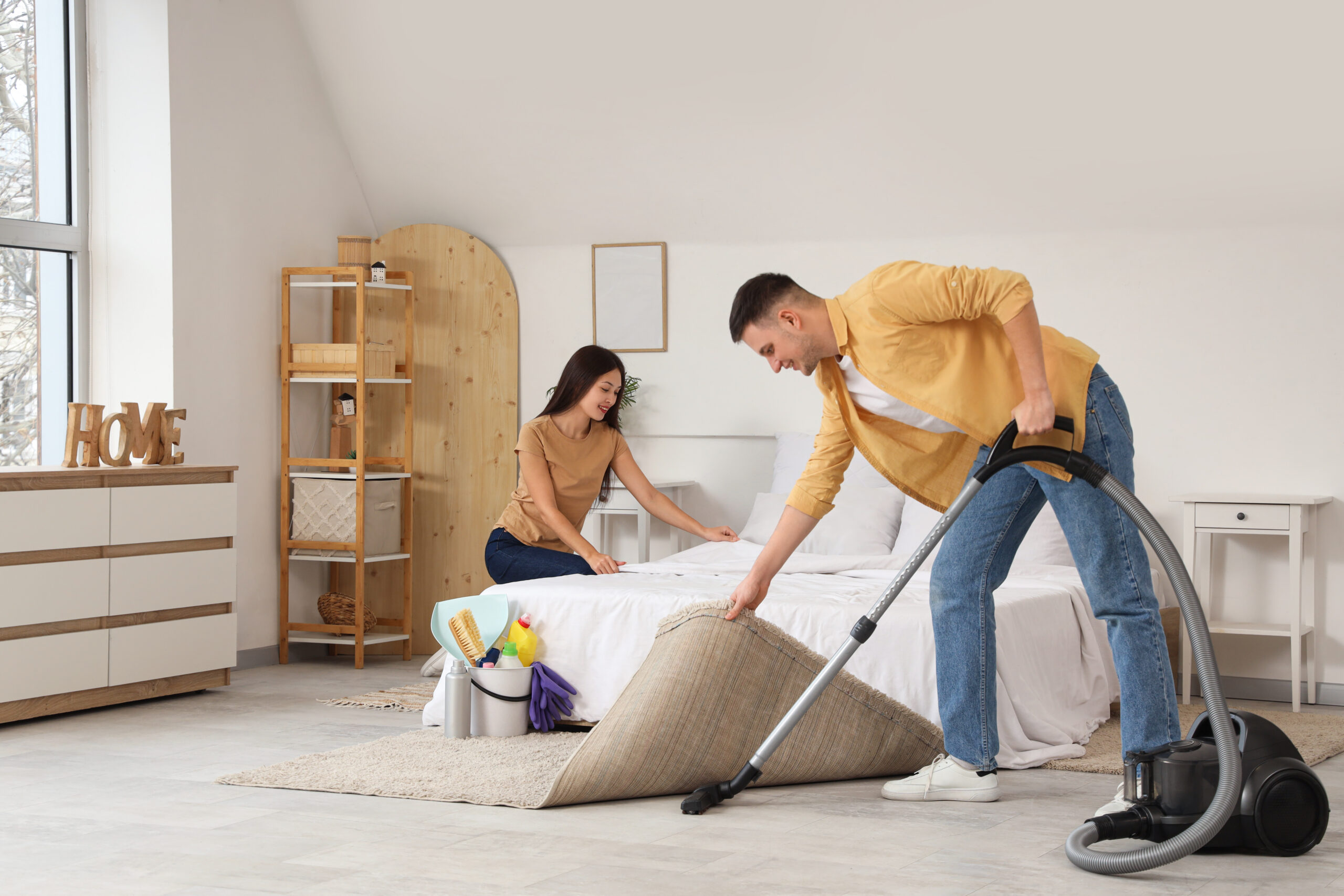
  • Vacuum and dust regularly to help reduce potential irritants in your sleeping space
  • If you have pets, consider limiting their access to your bedroom to avoid extra allergens
  • Consider using an air purifier with a HEPA filter to further reduce airborne allergens

For more tips on how to avoid allergens in your bedroom, read this blog from the Sleep Foundation.

5. Monitor daily pollen levels for CPAP users

One of the best ways to minimise your exposure to allergens is to stay informed about local pollen counts. Websites like weather.com provide the latest information on pollen levels, helping you plan your day.

By monitoring pollen levels, you can proactively manage allergy symptoms and help reduce discomfort. For example, it can help to shower and change clothes after being outside on high pollen days. This way, you can avoid bringing pollen into your sleeping area. Pollen levels are often highest in the early morning and evening, so limiting outdoor exposure during these times may help reduce symptoms. High counts may mean taking extra care with your equipment or using allergy treatments to keep symptoms under control.

Using allergy treatments alongside CPAP therapy

Allergy season doesn’t have to get in the way of your CPAP routine — and using CPAP shouldn’t stop you from managing your allergies. These address different concerns, so it’s important to stay consistent with both. Using a saline rinse or nasal spray in the evening may help clear your nasal passages, making it easier to breathe with your CPAP mask. Follow your healthcare provider’s advice to choose the right treatment.

Travelling with CPAP during allergy season

Travelling during allergy season can expose you to new environments, pollen types, and allergens, which may affect your comfort when using CPAP therapy. Planning ahead can help you stay consistent with your treatment wherever you go.

Before travelling, check local pollen levels at your destination and pack essential supplies such as extra filters, cleaning wipes, and any allergy medications you use. If you’re staying in a hotel, consider keeping windows closed and using your CPAP with clean equipment to minimise exposure to unfamiliar allergens.

Additional CPAP and allergy management strategies

The good news is that a few simple adjustments can make a big difference to your comfort and therapy during allergy season.

Consult with your healthcare provider: If allergies impact your CPAP therapy, consider discussing options with your doctor. They can give you clear advice and recommend treatments like nasal sprays or antihistamines.

Maintain good sleep hygiene: While managing allergies is crucial, maintaining sleep hygiene also supports overall sleep quality. Keep a consistent bedtime routine, limit caffeine, and try to avoid electronics before bed. Even small adjustments can make a difference over time.

Frequently asked questions about CPAP and seasonal allergies

• Can seasonal allergies make sleep apnoea worse?

Yes. Allergies can cause nasal congestion and inflammation, which may further narrow your airway and make sleep apnoea symptoms feel worse.4 This can also impact how comfortable your CPAP therapy feels.

 Should I stop using my CPAP when I have allergies?

No, you should continue using your CPAP. Stopping therapy can worsen sleep apnoea symptoms. Instead, try adjustments like using a humidifier, switching masks, or improving cleaning routines.

• How often should I clean my CPAP during allergy season?

Clean your mask cushion daily and your tubing and humidifier weekly. Check and replace filters regularly to reduce exposure to allergens like pollen and dust.

 What’s the best CPAP mask for mouth breathers with allergies?

A full-face mask is often best, as it allows you to breathe through both your nose and mouth — even when congested.

 Using CPAP during allergy season: what you need to know

It can help reduce exposure to airborne allergens when used with clean or hypoallergenic filters, improving the air you breathe during sleep.

With the right approach, CPAP therapy can remain comfortable and effective — even at the height of allergy season. We hope these tips will help you manage seasonal allergies and avoid disrupting your CPAP therapy. Then you can enjoy restful and comfortable sleep all year long.

Disclaimer

PROMOTIONAL MATERIAL – CE-marked medical devices (CE0123). Manufacturer: Resmed. Local contact: Resmed. Please refer to the instructions for use for relevant information related to any contraindications, warnings and precautions.

This blog post contains general information about medical conditions and treatments. It is not intended to be a substitute for professional medical advice, diagnosis or treatment. The information is not advice, and should not be treated as such. You must not rely on the information on this website as an alternative to medical advice from your doctor or other professional healthcare provider.

If you have any specific questions about any medical matter, you should consult your doctor or other professional healthcare provider. If you think you may be suffering from any medical condition, you should seek immediate medical attention. You should never delay seeking medical advice, disregard medical advice, or discontinue medical treatment because of information on this website. The views expressed on this blog and website have no relation to those of any academic, hospital, practice, or other institution with which the authors are affiliated and do not directly reflect the views of Resmed or any of its subsidiaries or affiliates.

* The mask contains magnets that may interfere with certain implants or medical devices. Please refer to the user guide for complete information, including magnet contraindications and warning.

Contraindication

Masks with magnetic components are contraindicated for use by patients where they, or anyone in close physical contact while using the mask, have the following:

  • Active medical implants that interact with magnets (i.e., pacemakers, implantable cardioverter defibrillators (ICD), neurostimulators, cerebrospinal fluid (CSF) shunts, insulin/infusion pumps)
  • Metallic implants/objects containing ferromagnetic material (i.e., aneurysm clips/flow disruption devices, embolic coils, stents, valves, electrodes, implants to restore hearing or balance with implanted magnets, ocular implants, metallic splinters in the eye)

Warning

Keep the mask magnets at a safe distance of at least 6 inches (150 mm) away from implants or medical devices that may be adversely affected by magnetic interference. This warning applies to you or anyone in close physical contact with your mask. The magnets are in the frame and lower headgear clips, with a magnetic field strength of up to 400mT. When worn, they connect to secure the mask but may inadvertently detach while asleep.

Implants/medical devices, including those listed within contraindications, may be adversely affected if they change function under external magnetic fields or contain ferromagnetic materials that attract/repel to magnetic fields (some metallic implants, e.g., contact lenses with metal, dental implants, metallic cranial plates, screws, burr hole covers, and bone substitute devices). Consult your physician and manufacturer of your implant / other medical device for information on the potential adverse effects of magnetic fields.


**Weight of mask system Headgear STD/cushion M: 95.86 grams


References
  1. D’Amato G, Cecchi L, Bonini S, Nunes C, Annesi-Maesano I, Behrendt H, et al. Allergenic pollen and pollen allergy in Europe. Allergy. 2007;62:976–990. doi: 10.1111/j.1398-9995.2007.01393.x.
  2. Liu J, Zhang X, Zhao Y, Wang Y. The association between allergic rhinitis and sleep: A systematic review and meta-analysis of observational studies. PLoS One. 2020 Feb 13;15(2):e0228533. doi: 10.1371/journal.pone.0228533. PMID: 32053609; PMCID: PMC7018032.
  3. Winck JC, Delgado JL, Almeida JM, Marques JA. Heated humidification during nasal continuous positive airway pressure for obstructive sleep apnea syndrome: objective evaluation of efficacy with nasal peak inspiratory flow measurements. Am J Rhinol. 2002 May-Jun;16(3):175-7. PMID: 12141777.
  4. Chirakalwasan N, Ruxrungtham K. The linkage of allergic rhinitis and obstructive sleep apnea. Asian Pac J Allergy Immunol. 2014 Dec;32(4):276-86. PMID: 25543037.