Understanding AHI Sleep Apnoea Scores | Resmed UK
What can we help you find?
Search for masks, machines, accessories...

What does your AHI score mean? Breaking down sleep apnoea severity

CPAP & Therapy Fatigue Seeking Care Sleep issues Testing and diagnosis

Quick Takeaways:

  • AHI (Apnoea-Hypopnoea Index) measures how many times breathing slows or stops per hour of sleep — a key indicator of sleep apnoea severity.1, 2
  • An AHI score below 5 is considered normal; 5–15 indicates mild sleep apnoea, 15–30 is moderate, and 30+ is severe.
  • Doctors use AHI along with other factors — like oxygen levels, symptoms, and overall health — to create a treatment plan. 23
  • CPAP therapy, oral appliances, and lifestyle changes can all help lower your AHI and improve sleep quality.16, 18, 22

Sleep studies give insight into what’s happening in your body when you’re sleeping. One of the key metrics in your test results is the sleep apnoea-hypopnoea index (AHI), which ranges from 0 to over 30. AHI indicates the average number of times breathing is interrupted during an hour of sleep and helps doctors diagnose sleep apnoea and its severity. This article explains what a sleep apnoea index score means and how doctors or sleep care teams may use it to guide treatment options.23

Understanding AHI and sleep apnoea

AHI is one of the measures used to diagnose sleep apnoea, but it’s not the only factor. Sleep specialists also consider oxygen levels, symptoms and overall health.23

What is the apnoea-hypopnoea index (AHI)?

AHI refers to the average sleep apnoea events per hour during a sleep study. These events are known as apnoeas or hypopnoeas:

  • During apnoeas, airflow stops for 10 or more seconds. The upper airways completely collapse, stopping air from getting to the lungs.
  • During hypopnoeas, airflow is reduced for 10 or more seconds, causing shallow breathing. Hypopnoeas result from partial airway blockages.

Dr. Christian Guilleminault, a University of Stanford researcher, pioneered early sleep apnoea research. In the late 1970s, he and his colleagues developed an apnoea index (AI) to help diagnose sleep apnoea and its severity. AI counted the number of apnoeas, or complete pauses, per hour of sleep.1 Researchers later refined this metric to reflect the importance of hypopnoeas, renaming it the apnoea-hypopnoea index.

The relationship between AHI and sleep apnoea types

Sleep apnoea may be diagnosed if an AHI score indicates five or more breathing interruptions per hour, lasting more than 10 seconds each.3 The type of sleep apnoea a person is diagnosed with depends on why breathing stops.

  • Obstructive sleep apnoea (OSA) is a condition where your upper airway becomes blocked many times while you sleep. This blockage can reduce or completely stop the flow of air. OSA is the most common type of sleep apnoea. 3
  • Central sleep apnoea (CSA) is less common and occurs when the brain doesn’t send signals to the muscles that control breathing. With central sleep apnoea, most breathing pauses happen because the body “forgets” to breathe, not because something is blocking the airway.4
  • Complex sleep apnoea (CompSA) also called treatment-emergent CSA (TECSA) occurs when a person presents both obstructive and central apnoeas. In this case, central apnoeas persist or emerge with CPAP treatment.25

Sleep apnoea severity chart

The apnoea-hypopnoea index (AHI) is calculated by dividing the total number of times breathing slows down or stops (apnoeas and hypopnoeas) during sleep by the total hours of sleep time. The score reflects the average number of respiratory events per hour of sleep and helps classify the severity of sleep apnoea.

Sleep Apnoea Severity AHI (Events per hour)
None Less than 5
Mild Between 5 and 15
Moderate Between 15 and 30
Severe 30 or higher


These sleep apnoea ranges apply only to adults. Typically, an AHI of less than 1.5 is considered normal in children.5

While the sleep apnoea chart applies to men and women, research suggests women have lower AHI scores and shorter breathing pauses than men.6 This difference could result in underdiagnoses of sleep apnoea among women.

 two people going over AHI details and meaning

How is AHI interpreted?

When interpreting sleep apnoea results, it’s important to understand how metrics such as AHI are collected and measured.

How sleep studies measure AHI

A sleep study is more than just a tool for diagnosing sleep apnoea — it paints a better picture of your health by collecting information like oxygen levels, heart rate, brain waves and breathing patterns as you sleep.

Sleep studies, also referred to as sleep tests, can be done in different ways, depending on what your doctor thinks is best. Your doctor or sleep care team may recommend an in-lab sleep study if you have a more complex medical history and may benefit from comprehensive sleep monitoring. These types of sleep tests are usually conducted overnight in a lab, where a sleep physiologist can monitor your sleep.7 Another option your doctor may choose is a Home Sleep Test or HST. The HST collects data while you sleep at home and sends the information to your doctor or sleep care team.

In-lab polysomnography sleep study (PSG)

An in-lab sleep study, also known as polysomnogram (PSG), is a detailed test that records brain waves, blood oxygen levels, heart rate, breath rate, and eye and leg movements to measure how many times per hour you either stop breathing or have shallow breathing, and diagnose sleep disorders. Your doctor or sleep care team may recommend an in-lab sleep study if you have a more complex medical history and may benefit from comprehensive sleep monitoring. PSGs are usually conducted overnight in a sleep lab or hospital, where a sleep physiologist can monitor your sleep.7

Home sleep test (HST)

An HST can be completed from the comfort of your own bed. A Home Sleep Test measures your oxygen saturation (the amount of oxygen in your blood), heart rate, and airflow, as well as the movements of your chest and abdomen and your position while you sleep to determine how many times per hour you either stop breathing or have shallow breathing. In fact, 60% to 70% of sleep studies are done using home-based tests.8

HSTs accurately diagnose moderate to severe obstructive sleep apnoea about 90% of the time.9 Your doctor or sleep care team may recommend a home sleep test if you’re showing symptoms of a sleep disorder and have not been diagnosed with any other chronic medical conditions.

Beyond AHI: Complementary metrics

A sleep study can do more than diagnose a sleep condition. It can also help you learn more about your body. Sleep study test results may also include additional metrics:

  • Oxygen desaturation index (ODI), which measures the average number of times oxygen blood levels drop below normal during one hour of sleep. While AHI counts the number of times respiratory events happen, 10 ODI can help you and your doctor understand how a respiratory event affects your body.
  • Respiratory disturbance index (RDI), which is the total number of apnoeas, hypopnoeas and other respiratory events experienced during an average hour of sleep. Unlike AHI, RDI includes breathing problems that are not categorised as apnoeas or hypopnoeas, which can also affect sleep quality.
  • Arousal index, which is the average number of times you wake up, even briefly, during an hour of sleep. These awakenings can lead to fragmented sleep.
  • Sleep position, which can also affect AHI measurements. The upper airway tends to collapse more when lying on the back,9, 11 which can lead to more breathing interruptions and a higher AHI score .12

Understanding AHI results

While the apnoea-hypopnoea index (AHI) helps classify sleep apnoea severity, diagnosis and treatment should always be guided by a doctor or sleep care team.

AHI has limitations.13 It tells you the number of apnoeas and hypopnoeas experienced, but not how long the events last, the impact on heart rate and oxygen levels, and how intense awakenings are. Scores may also change between sleep stages and body positions.

Additionally, women often have lower AHI scores and experience symptoms that are different from men’s. Because these unique signs can sometimes be overlooked, it’s important to stay informed about what sleep apnoea looks like for you and to consult a doctor if you ever have any concerns.6

To figure out the next steps, a doctor or sleep care team will typically look at the big picture. They consider AHI along with:

  • Symptoms
  • Overall health and medical history
  • ODI, RDI and other metrics
  • Nightly changes in AHI scores
 monitor and treat sleep apnea

Using AHI to treat and monitor sleep apnoea

The sleep apnoea rating scale can help doctors develop a treatment plan, monitor its effectiveness and adjust treatment approaches if needed.

Using AHI to determine treatment

Sleep apnoea treatment options depend in part on AHI scores. In general:

  • Oral appliances may be an option for mild to moderate OSA.18
  • Continuous positive airway pressure (CPAP) therapy is the gold standard for patients with moderate to severe obstructive sleep apnoea. 16
  • Surgery may be considered if other treatments don’t work.9
  • Lifestyle changes such as losing weight, adjusting sleeping position and quitting smoking may also be recommended to help reduce sleep apnoea symptoms.22

Each person’s sleep apnoea treatment is personalised, 16 and your doctor or sleep care team will help determine treatment options for you. Even mild cases of OSA deserve attention, especially if there are underlying health conditions or symptoms that interfere with daily life.

AHI is also used by insurance companies to determine treatment coverage. Policies vary and coverage usually depends on how the sleep study defined a hypopnoea.14

How treatment impacts AHI

Sleep apnoea treatments aim to lower AHI to healthier levels. Everyone responds differently to treatment, but in general:

  • CPAP therapy — a sleep apnoea treatment that uses gentle, steady air pressure through a mask to keep your airway open while you sleep — has been shown to reduce AHI by an average of 86%.15, 16
  • Oral appliances, which help keep the airway open by gently moving the tongue or jaw forward, may reduce AHI scores. 17, 18
  • Sleep position therapy (SPT) has been shown to help reduce AHI in people whose OSA worsens when lying on their backs but may not significantly improve overall sleep quality.19

Using AHI to measure treatment success

When starting CPAP therapy, your doctor or sleep care team will recommend pressure settings most suited to your treatment. The goal is to find the lowest pressure setting that helps keep airways open and reduces AHI.

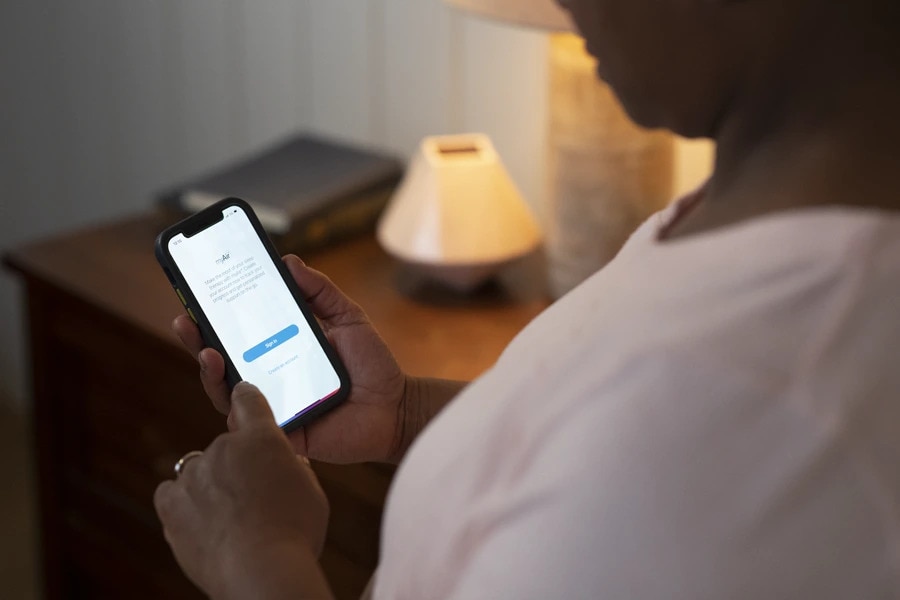
Modern CPAP machines collect data, so your doctor or sleep care team can monitor treatment effectiveness remotely. Many devices also pair with patient apps that allow you to view your own AHI data, giving you greater insight into your treatment progress and helping you feel more in charge of your therapy journey. If your AHI remains elevated, your doctor may adjust pressure settings for more effective therapy. Some machines automatically adjust pressure based on breathing patterns.

Your doctor or sleep care team may also watch for symptom improvement, such as fewer morning headaches, less frequent snoring, higher energy levels during the day or fewer naps, 24 to determine if the CPAP therapy is working. Successful treatment of OSA often depends on maintaining a regular CPAP routine.

Special considerations for interpreting AHI

Many factors affect how the apnoea-hypopnoea index (AHI) is interpreted, including age. For example, obstructive sleep apnoea (OSA) is considered severe for children with lower AHIs compared to adults.

In general, AHI scores increase with age, although older individuals may not accurately report symptoms. This can result in underdiagnosis of OSA among people over the age of 65.20 Older adults are also at higher risk of heart conditions, which can impact treatment decisions.

Weight management can be a key part of OSA treatment for people with excess weight or obesity. Weight loss can lead to improvements in AHI scores,21 but is not a standalone cure for OSA. Treatment often works better when weight management is combined with treatments like CPAP.

If you have questions about your AHI score or what it means for your health, talk to your doctor or sleep care team.

This blog post contains general information about medical conditions and treatments. It is not intended to be a substitute for professional medical advice, diagnosis or treatment. The information is not advice, and should not be treated as such. You must not rely on the information on this website as an alternative to medical advice from your doctor or other professional healthcare provider.

If you have any specific questions about any medical matter, you should consult your doctor or other professional healthcare provider. If you think you may be suffering from any medical condition, you should seek immediate medical attention. You should never delay seeking medical advice, disregard medical advice, or discontinue medical treatment because of information on this website. The views expressed on this blog and website have no relation to those of any academic, hospital, practice, or other institution with which the authors are affiliated and do not directly reflect the views of Resmed or any of its subsidiaries or affiliates.

Resources:
  1. Pevernagie DA, et al. On the rise and fall of the apnea-hypopnea index: a historical review and critical appraisal. J Sleep Res. 2020;29(4):e13066. doi:10.1111/jsr.13066. https://doi.org/10.1111/jsr.13066
  2. Malhotra A, Ayappa I, Ayas N, et al. Metrics of sleep apnea severity: beyond the apnea-hypopnea index. Sleep. 2021;44(7):zsab030. doi:10.1093/sleep/zsab030. https://doi.org/10.1093/sleep/zsab030
  3. Sleep Apnea – What Is Sleep Apnea? NHLBI, NIH. https://www.nhlbi.nih.gov/health/sleep-apnea
  4. Central sleep apnea. National Library of Medicine. (updated 2023). https://www.ncbi.nlm.nih.gov/books/NBK578199/
  5. Solano-Pérez E, et al. Diagnosis and treatment of sleep apnea in children: a future perspective is needed. Children (Basel). 2023;10(6):1027. doi:10.3390/children10061027. https://pmc.ncbi.nlm.nih.gov/articles/PMC10296156/
  6. Wimms AJ, et al. Continuous positive airway pressure versus standard care for the treatment of people with obstructive sleep apnea and cardiovascular disease: a randomized controlled trial. Biomed Res Int. 2016;2016:6498257. doi:10.1155/2016/6498257. https://pubmed.ncbi.nlm.nih.gov/27699167/
  7. Kapur VK, Auckley DH, Chowdhuri S, et al. Clinical practice guideline for diagnostic testing for adult obstructive sleep apnea: an American Academy of Sleep Medicine clinical practice guideline. J Clin Sleep Med. 2017;13(3):479-504. doi:10.5664/jcsm.6506. https://doi.org/10.5664/jcsm.6506
  8. Corliss J. Worried about sleep apnea? Home-based testing is now the norm. Harv Health Blog. 2020. https://www.health.harvard.edu/blog/worried-about-sleep-apnea-home-based-testing-is-now-the-norm-2020082120783
  9. Zancanella E, do Prado LBF, de Carvalho LBC, et al. Home sleep apnea testing: an accuracy study. Sleep Breath. 2022;26(1):117-123. doi:10.1007/s11325-021-02372-6. https://doi.org/10.1007/s11325-021-02372-6
  10. Sharma P, Thakur S, Rai DK, Karmakar S, H A. Connecting the dots: analysing the relationship between AHI and ODI in obstructive sleep apnea. Sleep Sci Pract. 2024;8:9. doi:10.1186/s41606-024-00102-x. https://doi.org/10.1186/s41606-024-00102-x
  11. Menon A, et al. Obstructive sleep apnea: current perspectives. Otolaryngol Clin North Am. 2013;46(6):933-949. https://pmc.ncbi.nlm.nih.gov/articles/PMC3817704/
  12. Wojciech K. Obstructive sleep apnea and cardiovascular risk. Diagnostics (Basel). 2022;12(5):1135. doi:10.3390/diagnostics12051135. https://pmc.ncbi.nlm.nih.gov/articles/PMC9139663/
  13. Won CHJ. When will we ditch the AHI? J Clin Sleep Med. 2020;16(6):979-980. doi:10.5664/jcsm.8594. https://doi.org/10.5664/jcsm.8594
  14. Won CHJ. The apnea-hypopnea index: not all that it’s cracked up to be. J Clin Sleep Med. 2020;16(6):979-980. https://pmc.ncbi.nlm.nih.gov/articles/PMC8034221/
  15. Patil SP, et al. Treatment of adult obstructive sleep apnea with positive airway pressure: an American Academy of Sleep Medicine clinical practice guideline. J Clin Sleep Med. 2019;15(2):335-343. doi:10.5664/jcsm.7640. https://doi.org/10.5664/jcsm.7640
  16. Patel, S. et al. Continuous positive airway pressure therapy for treating sleepiness in a diverse population with obstructive sleep apnea: results of a meta-analysis. https://pubmed.ncbi.nlm.nih.gov/12622603/
  17. Skalna M, et al. Obstructive sleep apnea and hypertension: pathophysiologic and therapeutic links. Med Sci Monit. 2019;25:1161-1169. https://pmc.ncbi.nlm.nih.gov/articles/PMC6346846/
  18. Dieltjens M, Vanderveken OM. Oral appliances in obstructive sleep apnea. Sleep Med Clin. 2019;14(1):99-112. doi:10.1016/j.jsmc.2018.10.006. https://pmc.ncbi.nlm.nih.gov/articles/PMC6956298/
  19. Gao Y, et al. Association between obstructive sleep apnea and cardiovascular outcomes: a systematic review. Front Med (Lausanne). 2025;12:11830591. doi:10.3389/fmed.2025.11830591. https://pmc.ncbi.nlm.nih.gov/articles/PMC11830591/
  20. Ernst G, et al. Continuous positive airway pressure and blood pressure in obstructive sleep apnea: a systematic review. Sleep Sci. 2019;12(4):277-286. https://pmc.ncbi.nlm.nih.gov/articles/PMC6932834/
  21. Malhotra A, et al. Long-term outcomes of obstructive sleep apnea and its treatment. Sleep Med. 2025;113:307-322. doi:10.1016/j.sleep.2024.05.017. https://pmc.ncbi.nlm.nih.gov/articles/PMC11330732/
  22. Kaleelullah R, Nagarajan P. Cultivating lifestyle transformations in obstructive sleep apnea. J Family Med Prim Care. 2021;10(2):806-812. doi:10.4103/jfmpc.jfmpc_1722_20. https://pmc.ncbi.nlm.nih.gov/articles/PMC7920220/
  23. Malhotra A, et al. Clinical presentation and diagnosis of obstructive sleep apnea in adults. UpToDate. Updated 2025. https://www.uptodate.com/contents/clinical-presentation-and-diagnosis-of-obstructive-sleep-apnea-in-adults
  24. Fujita S, et al. Respir Investig. 2024. doi:10.1016/S2212-5345(24)00079-0. https://doi.org/10.1016/S2212-5345(24)00079-0
  25. Sateia, Michael J. “International Classification of Sleep Disorders-Third Edition: Highlights and Modifications.” Chest, vol. 146, no. 5, Nov. 2014, pp. 1387–1394. https://doi.org/10.1378/chest.14-0970

Get the latest from Resmed

Stay connected and you will be among the first to hear all the latest news and developments.

Please answer the question above

Please answer the question above

By signing up, you agree to our Terms, Privacy Policy, and to receive marketing updates from Resmed.