



Choose the right CPAP mask for effective sleep apnoea therapy
Your CPAP mask should fit not just your face, but your sleep habits. Choosing the right CPAP mask is a key step in your therapy journey, because therapy is more comfortable when it matches your habits.
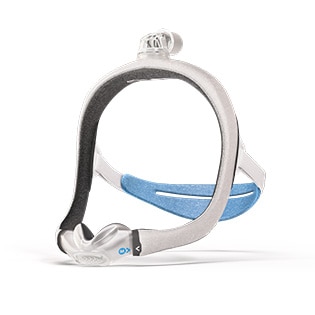
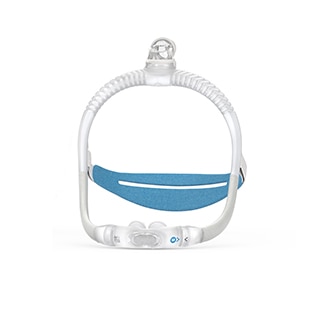
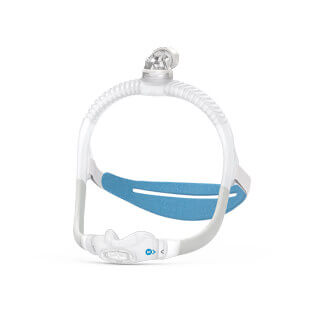
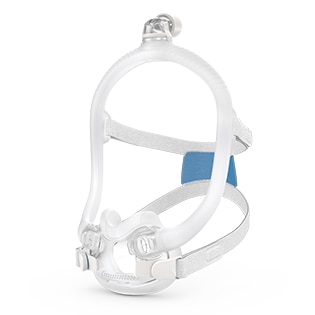
Versatile Fit CPAP masks
Fits your face easily, provides an effective seal, and is compatible with different cushions for a customised fit and comfort
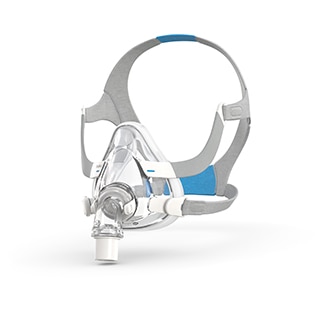
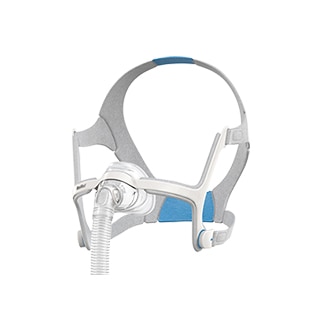
Minimalist CPAP masks
Helps combat claustrophobia with an under-the-nose cushion, makes you feel less self-conscious and allows you to wave goodbye to red marks on the bridge of the nose.
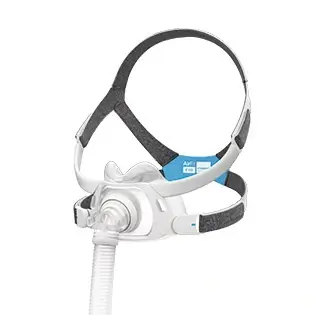
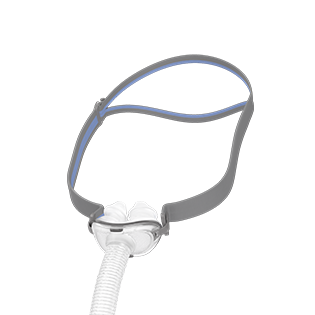
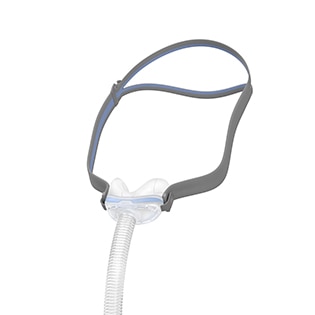
Freedom CPAP masks
Eliminates red marks on the bridge of your nose and lets you move as you please with a tube-up design and 360◦ elbow, keeping belly sleeping an option throughout the night.
Choosing the best CPAP mask for you
Your healthcare professional will guide you in choosing the right CPAP mask for your therapy, but your preferences matter. Explore the options below to find a CPAP mask that fits your sleep style, grooming habits, and comfort needs, then share your choices during your appointment.
You can sleep in your preferred positions with these masks:
Our masks with AirTouch cushions or AdaptiSealTM cushion may fit better on faces with a beard:
Active sleepers will be able to move throughout the night with these masks:
These masks may be best for you, especially if you are worried about waking up with red marks on your face:
Full-face masks may be best for you:
Full-face masks may be best for you:
Masks with under-the-nose cushion might be best for you:
Masks with QuietAir diffused venting or quiet-woven mesh venting can help you and your bed partner have quieter nights. The vent gently diffuses exhaled air and is designed to help keep noise disruption to a minimum:
The masks without magnets include:
- AirTouch N30i
- AirFit N30i
- AirFit N30
- Airfit P10
- AirFit P30i
- AirFit F20 Non Magnetic
- AirFit F30i Non Magnetic
Your practical guide: what you should know about CPAP therapy
Download our exclusive guide for free to understand sleep apnoea, explore available treatments, and learn best practices to optimize your comfort. Simply fill out the form!
CPAP mask FAQs
Comfort is key to effective CPAP therapy, and every person’s needs are unique. If your CPAP mask feels uncomfortable or doesn’t fit your lifestyle, speak with your healthcare professional.
You can also visit our online shop to discover a wide range of Resmed CPAP masks, replacement parts and accessories, all in one convenient place, delivered straight to your door.
Keep in mind: Replacing your CPAP equipment regularly can help to improve your sleep quality and get more out of your therapy. Your sleep clinic may offer CPAP mask resupply programs, so you automatically receive new masks and accessories on a schedule tailored to your clinical needs. Just ask your sleep clinic for details.
Your mask should feel comfortable, fit well, and avoid air leaks or marks on your face.
Signs it might be time for a change:
- You feel discomfort or pain
- You have frequent air leaks
- You sleep poorly or wake up often
- Your mask leaves red marks or irritation
If any of these apply to you, talk to your healthcare professional. They can help you find a model better suited to your facial structure and sleeping habits. You can also visit our online shop and discover a wide range of masks and identify a better CPAP mask option for you.
The design of a CPAP mask affects where the pressurised air is delivered and how the mask sits on your face:
- Full face CPAP masks deliver air to your nose and mouth
- Nasal CPAP masks deliver air to your nose and do not cover your mouth
- Nasal pillows CPAP masks have two soft inserts that deliver air directly into your nostrils and do not cover your mouth
Different mask styles can offer different benefits.
For example, a full face mask can be a good option if you breathe through your mouth at night, if you suffer from allergies or if you have a deviated septum or another condition that blocks the passage of air through your nose.
Some people prefer the smaller size of nasal or nasal pillows masks, while others appreciate the reassuring coverage of a full face mask. Even something as simple as having a moustache can affect how a mask feels and fits.
If possible, try on different styles of CPAP mask. To help make choosing a little easier, our CPAP mask categories show how different masks can meet your sleep habits or preferences. These mask categories comprise full face, nasal and nasal pillows mask designs.
Each of our masks has a dedicated web page featuring support videos and advice on sizing.
Many of our masks have a printable sizing template. Simply print out the template and hold it to your face to identify a cushion size that should suit you. Click on the links to download sizing templates for the following masks:
Minimalist masks:
- AirTouch N30i nasal mask sizing
- AirFit N30 nasal mask sizing template
- AirFit P10 nasal pillows mask: no need for a template – the mask pack contains all cushion sizes so you can try them out
Freedom masks:
- AirTouch N30i nasal mask sizing template
- AirFit N30i nasal mask sizing template
- AirFit P30i nasal pillows mask: no need for a template – the mask pack contains small and medium cushion sizes so you can try them out. A Large pillows cushion (L size) is available as a spare part if you find that the size M is too small.
- AirFit F30i full face mask sizing template
Versatile Fit masks:
Each of our masks has a dedicated web page featuring support videos and advice on getting a good fit.
A well-fitting mask will feel comfortable and provide a stable seal so that air does not leak out. If air leaks out of your mask (mask leak) or your mouth (mouth leak), you won’t receive the full benefits of CPAP therapy.
A poorly fitting mask can be uncomfortable and won’t work so well, so spend some time learning how to put your mask on properly. Take a look at the user guide and fitting videos for your mask. You might find it helpful to use a mirror or ask someone to check if the cushion/pillows are positioned properly.
- Fit your mask before connecting the tubing or turning on your therapy device. Each mask type has a specific fitting sequence, so it’s best to follow the steps in the user guide or fitting videos.
- Try not to over-tighten your mask. People often think that a tight mask will provide a good seal, but over-tightening can actually result in leaks, as well as being uncomfortable.
- Once your mask is correctly positioned on your face, turn the air flow on. You may need to make minor adjustments to the cushion and/or the headgear once the device is turned on and the cushion has inflated.
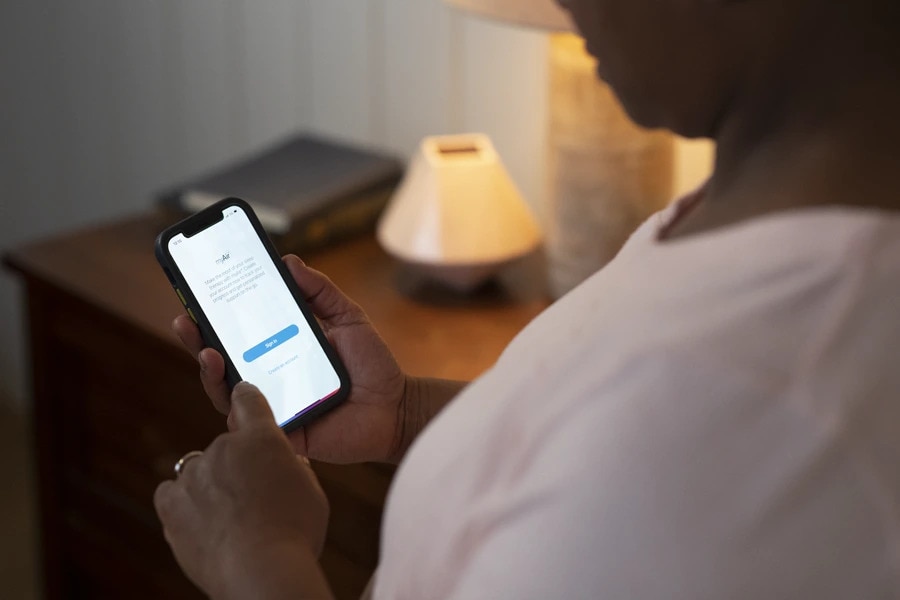
You can also download the myAir app for free. It’ll provide you with personalised coaching and support based on your specific sleep apnoea machine and mask type, such as tips to help you correct mask fit issues.
If you’re still having difficulty fitting your mask, ask your care provider to help you.
Air leaks can occur for a number of reasons. Please see the following FAQs for information on identifying and resolving leaks caused by:
- Poor fit or over-tightening: ‘How do I fit my mask?’
- Tube drag: ‘How can I prevent tube drag?’
- Mask style: ‘What’s the difference between full face, nasal and nasal pillows masks?’ and ‘How can I prevent mouth leak?’
- Mask size: ‘How do I choose the right cushion size?’
If you have ‘mouth leak’, air is escaping from your mouth during therapy. You might be opening your mouth during sleep out of habit or because your nose is blocked. As well as being noisy and uncomfortable, mouth leak can leave you with a dry mouth.
You can download the myAir app for free. It’ll help you to manage leaks by sending you alerts when leak thresholds are exceeded and give you tips to help you correct leaks and mask fit issues.
If you experience mouth leak occasionally, for example when you have a cold, try wearing a chin strap/chin restraint at those times to keep your mouth closed.
If you experience mouth leak often, you may need to use a full face mask. Full face masks deliver air through your nose and mouth, so you’re covered whether you end up breathing through your nose or your mouth.
We have a full face mask in each of our mask categories: AirFit F40 Minimalist mask , AirFit F30i Freedom mask , AirFit F20 Versatile Fit mask.
All CPAP masks make some noise as exhaled air goes out through the vent. However, if your mask is making ‘burping’ sounds, you probably have a leak. If you are experiencing leaks, it could be a good idea to work on your fitting technique. Please refer to your mask user guide, fitting videos and the ‘What causes leaks?’ question above for assistance. If your mask continues to leak, you should contact your homecare provider as you might need a different mask style or size.
If it is simply noise from the mask’s air vent that is bothering you or your bed partner, you might appreciate the QuietAir vent or quiet-woven mesh venting that features on
- our Minimalist masks (AirFit N30, AirFit P10, and AirFit F40 )
- our Versatile Fit masks (AirFit F20, AirFit N20, AirTouch F20, and AirTouch N20)
- our Freedom masks (AirTouch N30i, AirFit P30i, and AirFit N30i )
It gently diffuses exhaled air and is designed to help keep noise disruption to a minimum.
Resmed mask cushions are made from silicone, a hypoallergenic material commonly used in medical appliances and devices. If you don’t tolerate silicone, the AirTouch F20 , AirTouch N20 or AirTouch N30i mask could be a good alternative. The AirTouch N20 and AirTouch F20 feature a breathable memory foam cushion designed to adapt to your face. Meanwhile, the AirTouch N30i offers a fabric under-the-nose cushion that combines fabric with silicone.
Keep exploring
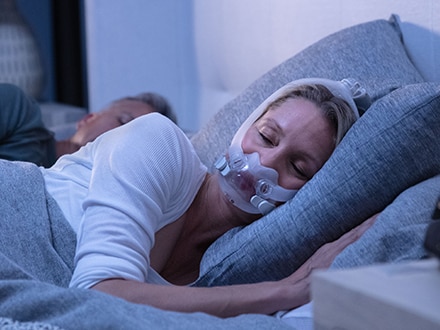
Starting CPAP therapy for sleep apnoea
If you’ve recently been diagnosed, you might have some questions or concerns or just want some friendly advice. We’re here to help you get your CPAP therapy off to a successful, comfortable start.

Real stories from real patients
Learn more by watching real people share their personal experience of sleep apnoea therapy. They discuss the ups and downs and share their tips for enjoying successful CPAP or MRD therapy.
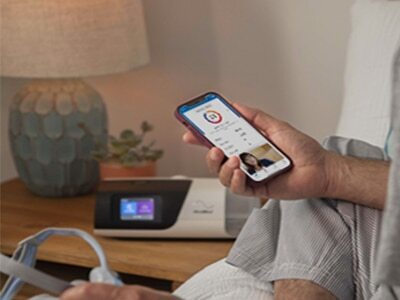
Monitor your sleep apnoea therapy
Is my sleep apnoea therapy working? Am I still having apnoeas? Monitor your CPAP therapy and get personalised advice and assistance on making the most of your therapy with the myAir app.
Please refer to the user guides for relevant information related to any contraindications, warnings and precautions to be considered before and during use of the products.
Content last updated: 11/2025